A Simple Evening Reset Routine
Give ten minutes to tomorrow, then stop
A simple evening reset is a short closing routine: clear the most-used surface, handle dishes and food, return obvious strays, prepare one morning essential, and write down the next important task. Set a ten-minute timer and stop when it ends. The routine should reduce morning friction, not open a surprise night shift.
Choose an anchor that already happens most evenings, such as finishing dinner, turning off the television, or setting an alarm. Attach the reset to that event instead of depending on a perfectly remembered clock time.
Start with food, dishes, and safety
Put away perishable food promptly, load or stack dishes, wipe spills, and make sure cooking appliances are off. You are not required to deep-clean the kitchen. The useful finish line is safe food, a usable sink, and enough clear counter for breakfast.
If the dishwasher is full and clean, empty only the rack space needed for current dishes or make that the first morning task. A routine can acknowledge reality without filing an appeal.
Households with accessibility needs, pain, fatigue, or variable energy can divide this step between seated and standing tasks, use lighter containers, or share the sequence. The routine serves the people; the people do not report to the routine.
Reset one visual landing zone
Choose the surface that affects the morning most: kitchen counter, dining table, entry bench, bathroom sink, or desk. Remove rubbish, return items that belong nearby, and put elsewhere-items in one carry basket.
Do not begin sorting drawers. Do not investigate every receipt. Tonight, the table needs enough room for breakfast; it does not need an archaeological report on the charger cable found beneath it.
Our small-zone decluttering guide handles deeper decisions without spreading them across the floor.
Return only obvious strays
Walk one quick circuit with the carry basket. Return items whose homes are obvious and nearby: shoes to the rack, toys to a bin, books to a shelf, toiletries to the bathroom. Leave uncertain items in a small designated tray for daylight decisions.
Avoid organizing another person's belongings without agreement. In a shared home, each person can have a named basket or landing place. This prevents the reset from becoming a nightly game called “Who Hid My Keys in a Sensible Container?”
Browse daily rhythms for more routines built around natural transitions.
Prepare one morning bottleneck
Pick the single preparation most likely to help: fill a water bottle, place medication beside an established reminder system, pack a bag, set out weather-appropriate clothes, portion breakfast ingredients, or put keys in their assigned spot.
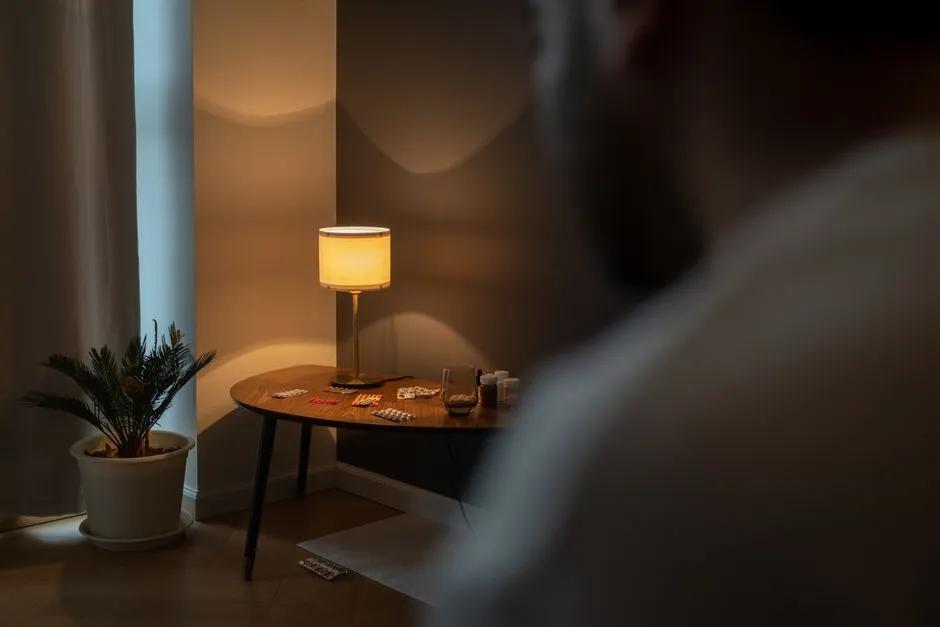
Keep medications, food, valuables, and charging devices stored safely for the household. Do not leave medicine accessible to children or pets, and do not leave perishable lunches at room temperature overnight.
One bottleneck is enough. Preparing seven hypothetical emergencies usually creates a longer evening and a collection of objects you must step around at dawn.
Park tomorrow's thoughts on paper
Write the next day's most important task, any time-specific commitment, and one item you must bring. Check the actual calendar if timing matters. This is a capture list, not an invitation to design an elaborate new planning system at 10:47 p.m.
If a worry cannot be acted on tonight, write the next concrete action or the person to contact. Persistent anxiety, sleep difficulty, or distress deserves appropriate professional support; a household reset is not treatment.
Make a smaller version for hard nights
Create a three-minute minimum: put away perishables, check appliances and doors as appropriate, place keys or essentials, and write the first morning task. On difficult evenings, do only that. A routine that survives imperfect days is more useful than one performed magnificently twice.
At the timer, stop. Carry unfinished tasks to tomorrow's list instead of quietly expanding the definition of “reset.” Then lower the lights, close the kitchen, or use another clear end cue.
Visit decluttering if the same items repeatedly have nowhere to go; that is a storage decision, not a nightly personal failure. The evening reset has done its job when tomorrow begins with fewer small obstacles and tonight still belongs to you.